
Understanding Auto Window Tint
What is Auto Window Tint?
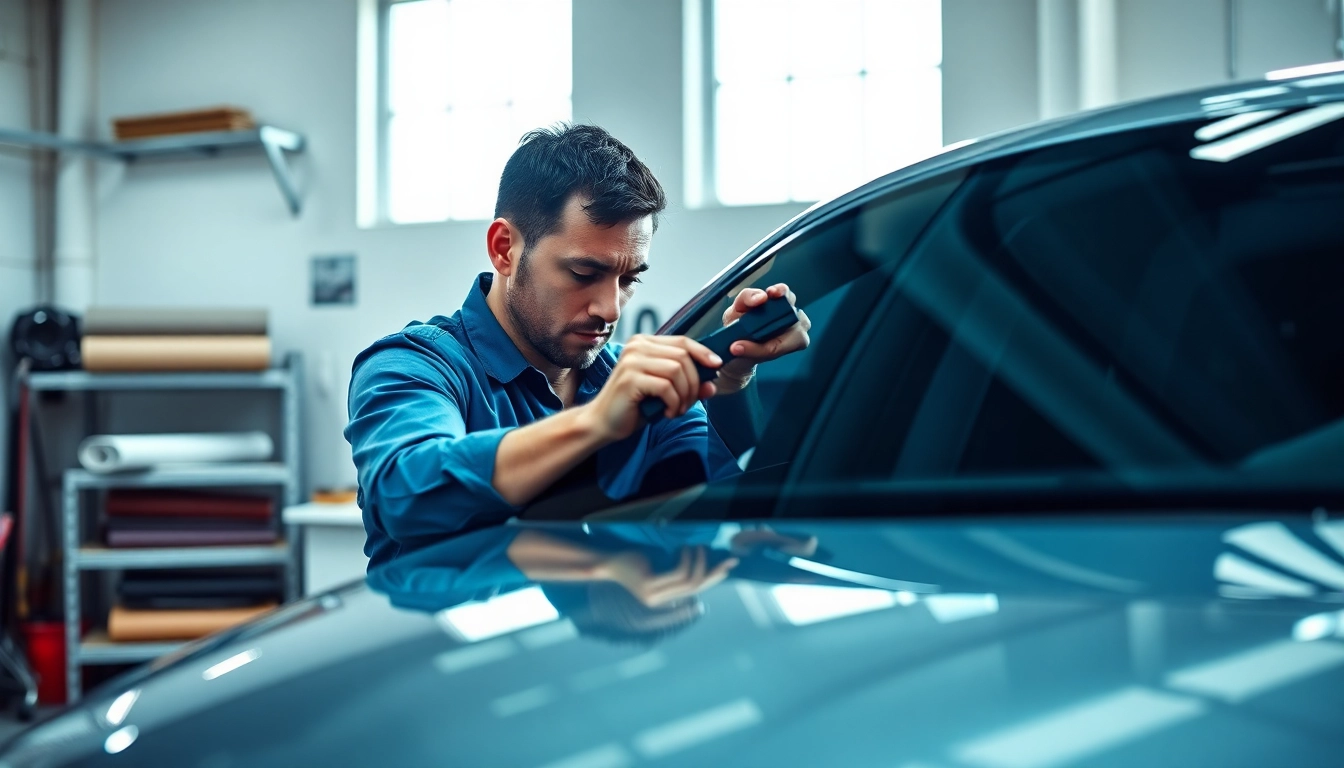
Auto window tint is a thin film made of various materials that is applied to the windows of vehicles to enhance both function and aesthetic appeal. It typically comes in rolls and can be made from dyed, metalized, or ceramic materials. The primary purpose of window tinting is to reduce glare, block harmful UV rays, and improve privacy for vehicle occupants. With the increasing demand for comfort and protection, more car owners are searching for auto window tint near me. The application process requires precision and can vary in complexity depending on the type of window tint used.
Types of Window Tint
When it comes to window tinting, several types cater to different needs and preferences:
- Dyed Film: This type uses dye to absorb heat and reduce glare. It’s the most affordable option but may fade over time.
- Metalized Film: Comprising metalized particles, this tint reflects heat and blocks UV rays while maintaining clarity. It is more durable than dyed film.
- Ceramic Film: A premium choice, this film contains ceramic particles and is known for its high heat rejection and UV blocking capabilities without affecting cellular signals.
- Carbon Film: Providing an excellent balance between cost and performance, carbon films are less reflective and provide good UV defense.
- Crystalline Film: Offering maximum clarity, this tint is often used by those who prioritize visibility and aesthetics while still providing substantial UV and IR protection.
Benefits of Auto Window Tint
The advantages of auto window tint extend far beyond just aesthetic appeal. Here are some compelling reasons to consider:
- UV Protection: Automotive window tints can block up to 99% of harmful UV rays, protecting both the vehicle’s interior and passengers’ skin.
- Heat Reduction: Tinted windows help to keep the interior cool by reducing heat from constant sun exposure, enhancing comfort and lowering air conditioning costs.
- Increased Privacy: A darker tint can provide an added layer of privacy for you and your possessions.
- Glare Reduction: Tints can significantly decrease glare from both sunlight and headlights, enhancing driving safety.
- Aesthetic Appeal: Tinted windows can make any vehicle look more sleek and polished, complementing its overall design.
Choosing the Right Tint
Factors to Consider
Choosing the right window tint involves several important considerations:
- Type of Tint: As discussed, select a tint type that meets your needs, whether for protection, aesthetics, or both.
- Visible Light Transmission (VLT): Different locales have legal restrictions on VLT percentages for vehicles, impacting how dark your windows can be tinted.
- Warranty: Some tints come with warranties that can protect against fading, bubbling, or peeling.
- Installation Quality: The effectiveness of the tint often relies on the quality of installation—professional installers usually yield better results compared to DIY methods.
Local Regulations on Window Tint
Before applying window tint, it is crucial to understand local laws governing window tinting. Regulations can vary significantly by state or municipality. Essential aspects to review include:
- Allowed VLT percentages for different windows.
- Restrictions on reflective coatings.
- Special rules for windshield tinting.
Failing to adhere to these regulations can result in fines or the requirement to remove the tint.
Finding the Best Auto Window Tint Near Me
Finding quality service for auto window tint near me can be achieved by considering several key points:
- Research Online: Start by reading customer reviews and ratings on local window tinting services.
- Ask for Recommendations: Friends, family, or social media groups can provide valuable insights into reliable tinting services.
- Visit Shops: Inspect the work of local tinting professionals. A shop’s quality can often be assessed based on completed projects displayed.
- Inquire About Warranties: Quality tinting services should provide some form of warranty on their installations.
Professional vs. DIY Tinting
Advantages of Professional Installation
Opting for professional window tint installation comes with numerous benefits:
- Expertise: Professionals possess the knowledge and experience necessary for optimal results, including understanding more complex installations.
- Quality Materials: Professional installers typically use high-quality films that are more durable and effective than many DIY options.
- Time-Efficiency: Professionals can complete the work significantly faster than an inexperienced individual.
- Guaranteed Results: Many professional services offer guarantees on their work, giving you peace of mind.
Risks of DIY Tinting
While DIY window tinting can save money, it poses several risks:
- Inconsistent Results: Lacking proper skills can lead to uneven applications and bubbles.
- Material Quality: Cheap materials may lead to premature fading and wear.
- Legal Issues: Misunderstanding local regulations can lead to tinted windows that violate laws.
Cost Comparison: DIY vs. Professional
The cost of window tinting can vary significantly based on complexity, quality, and installation method:
- DIY Costs: Basic DIY kits can range from $50 to $200, depending on the film type and quality. However, inefficiencies may lead to the need for multiple attempts.
- Professional Installation Costs: Depending on the type of vehicle and quality of tint, professional services typically range from $200 to $600, which often includes warranty coverage.
Ultimately, it is crucial to weigh the short-term savings of DIY options against the long-term benefits and peace of mind that professional installations provide.
Maintenance of Window Tint
How to Care for Your Tinted Windows
Maintaining window tint is essential to ensure its longevity and performance. Here are effective methods to care for tinted windows:
- Cleaning: Use a mild soap solution and a soft cloth or squeegee. Avoid ammonia or abrasive cleaners, which can damage the tint.
- Regular Inspections: Periodically check for bubbling or peeling and address issues promptly.
- Limit Exposure: Whenever possible, park in shaded areas or use sunshades during extremely hot days to reduce thermal stress on the tint.
Common Mistakes to Avoid
While caring for tinted windows, be mindful of these common pitfalls:
- Ignoring Warranties: Always check if your tint comes with a warranty and follow recommended care practices to maintain it.
- Using Harsh Chemicals: Avoid using cleaners with ammonia or strong chemicals that might deteriorate the tint.
- Neglecting at Installation: Ensure technician professionalism at the time of installation to avoid maintenance issues later.
Signs It’s Time to Replace Tint
Indications that your window tint may need replacement include:
- Bubbling: Formation of bubbles signals poor adhesion or outdated tint.
- Fading: Noticeable color loss demonstrates degradation in the film’s quality or effectiveness.
- Peeling: Edges that are lifting away from the glass indicate it’s time for a fresh installation.
Frequently Asked Questions
What Are the Legal Limits for Tinting?
Legal limits vary by state and vehicle type. Always check local regulations for state-specific VLT requirements.
How Long Does Window Tint Last?
The lifespan of window tint can range from 5 to 15 years, depending on the type of tint used and environmental conditions.
Can I Remove Window Tint Myself?
Yes, but it’s recommended to follow proper removal techniques or seek professional help to avoid damaging the glass.
Is Darker Tint Always Better?
No, darker is not always better. It’s essential to balance darkness with visibility, considering local regulations.
What If My Tint Bubbles or Peels?
Seek professional advice immediately; bubbles or peeling are signs that the tint needs to be replaced or reapplied.
